Table Of Content
- Ways To Reuse Paper Cups
- Vintage Dixie cups: See retro designs & dispensers, plus get the history of the little disposable cups
- Jazz (design)
- Made In The 80's Sublimation PNG, Retro Sublimation Designs, Sublimate PNG
- A New Thirst, A New Drink
- Custom Retro- 90's Cup, Custom Soda Cans Mugs, Custom 90's Kid Glass

It’s where he first hung out with Henry Rollins shortly after Rollins moved to L.A. To join Black Flag, and where he got familiar with a teen punk band from the San Fernando Valley called Bad Religion. “People would bring their demos and give it out and, and network with other bands,” Hetson recalled.
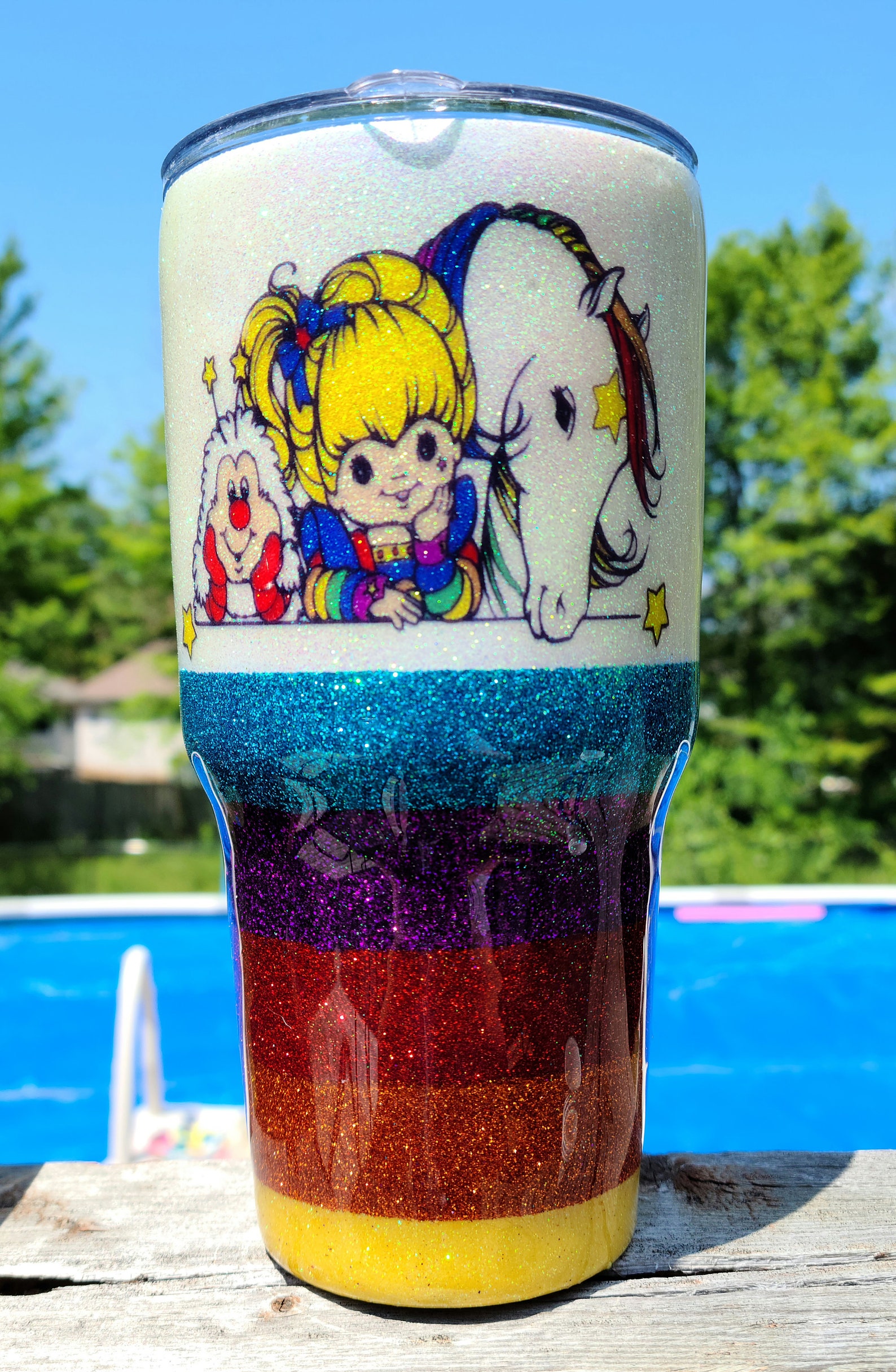
Ways To Reuse Paper Cups
The food was cheap, the place never closed, and the punks were never turned away. Hilariously, one of the only remaining buildings featuring the wild, often postmodern design of the ‘90s is the KFC on Western near Beverly by Elysee Grinstein and Jeffrey Daniels. Another example of a wild ‘90s restaurant interior that persists is Wolfgang Puck’s Chinois on Main, whose colorful interior by Barbara Lazaroff seems to be untouched by time. Though many of these restaurants are closed, there are still plenty of classic LA restaurants that are still very much open. Many of these restaurants built and designed in the 1980s and 1990s featured sweeping lines and commonplace materials.
Vintage Dixie cups: See retro designs & dispensers, plus get the history of the little disposable cups
The fun-loving styles of the 80s have seen a revival in recent years. Many companies offer cup designs that play on the most recognizable visuals of 80s décor. At this point, it’s impossible to separate the actual design from the hazy history, internet beef, and childhood memories.
Jazz (design)
Although Gina Ekiss, formerly of the Sweetheart Cup Company, is credited as the creator of the 90s jazz design — that credit is not uncontested. The winning design — then simply called “jazz” — used only two colors and was intentionally messy. This allowed the printers to move quickly without worrying about the crispness of the image or whether or not the crayon-like squiggles aligned. Those now-famous teal and purple scribbles were introduced in 1992 as a disposable cup design by the Sweetheart Cup Company. Some designs made history by gracing billboards, runways, or magazines. Their legacies were built on the reputations of famous designers.
Made In The 80's Sublimation PNG, Retro Sublimation Designs, Sublimate PNG
McDonald's packaging: journey through time Art and design - The Guardian
McDonald's packaging: journey through time Art and design.
Posted: Wed, 11 Dec 2013 08:00:00 GMT [source]
This eclectic decade was known for its over-the-top fashion, music and cultural trends. And 90s jazz fans seem to care a lot more about the nostalgia that the design sparks than whoever made it. Not only does “Solo Jazz Pattern” hold “Confirmed Meme” status (an actual thing), it also shows up in more than 500 Etsy listings. Decades after its creation, the teal and purple squiggles still show up on stickers, clothes, and even modern websites. All this controversy led to internet sleuthing and caught the attention of a few investigative journalists. Unfortunately, since the design changed hands from Sweetheart Cup Company to Solo Cup Company and then again to Dart Container Corporation in 2012, the history is murky.
So I started to do some searching and picking some up whenever I could. Nostalgia for the music, fashion and culture of the 80s has been building for years. The popularity of shows like Stranger Things also keeps interest high.
Sara Little Turnbull Inspired the N95 Respirator From a Bra Cup Design - House Beautiful
Sara Little Turnbull Inspired the N95 Respirator From a Bra Cup Design.
Posted: Thu, 28 May 2020 07:00:00 GMT [source]
Sweetheart has since been acquired by Solo, which in turn was acquired by the Dart Container Corporation, adding layers of complexity to the search for the pattern’s origins. “It was a huge—it was like seeing the Loch Ness Monster or something,” he said. “It was just this thing that I didn’t know was real.” His response became the driving force for his own song. “Oki Dog sort of became a linchpin for thinking about how you get information and what it means to be out in the world,” he explained. I wanted to learn more about the history of Sueyoshi’s business, and his relationship with LA punk.
He spent a good deal of time playing Pac-Man on a tabletop arcade cabinet, too. The young punks Darby Crash inspired fiercely embraced Oki-Dog in full force by the early 1980s; they flocked to the place by the hundreds. “It was like Arnold’s on Happy Days,” David Markey, cofounder of the zine We Got Power and director of The Slog Movie, wrote to me in an email.
Recently, an AMA request came in from a Reddit user who wanted to know who the designer was. That pushed reporter Thomas Gounley of Missouri's Springfield News-Leader to do some digging. Kevin Barrett of the Urinals and 100 Flowers was far more devoted to Oki-Dog than any of his friends. “I love burritos, so it was a revelation for me—‘Oh, a hot dog in a tortilla,’” he said. “One of my favorite things was to describe an Oki dog to people who had never heard of one.” Barrett’s descriptions would draw flustered reactions.
They’re designed epically for kids… but we didn’t forget mothers, either. These new Dixie Riddle Cups will fit beautifully into your Dixie 5 ounce Kitchen Cup Dispenser. Instead of constant dishwashing, you have time for other tasks. The kids can’t catch colds from re-using soiled glasses. New, transparent, dispenser goes with any color scheme.
“In fact, I think I said as much at the time.” The We Got Power crew referred to Oki-Dog’s late night customer wrangler as Arnold in tribute to the sitcom. Food spots also served as crucial hangouts for the gestating community. In Little Tokyo, the Atomic Cafe drew in punks who were near downtown after shows, and in nearby Chinatown, two restaurants, Madame Wong’s and Hong Kong Cafe, began booking punk shows themselves. Histories of punk tend to focus on L.A.’s exports—the records, the people who made them, the zines that covered it all—and the performance spaces that incubated them. But Oki-Dog, while it appears only in the margins of these histories, was crucial to building the scene’s sense of community.


No comments:
Post a Comment