Table Of Content

If your insurance does not cover the cost of the 3D ultrasound, you will need to pay for it out of pocket. The cost of a 3D ultrasound can range from $100 to $300 or more, depending on the provider and location. It is important to shop around and compare prices before making a decision.
When Do Babies Start Growing Hair?
However, in general, a 5D ultrasound image looks more realistic and lifelike than traditional 2D or 3D ultrasound images. But the reality is most ultrasounds taken between 18 and 22 weeks, even 3D ones, don't come out that way. When interpreting 3D ultrasound images, it’s important to keep in mind that these images are not always as clear as traditional 2D ultrasounds. The quality of the image can depend on several factors, such as the position of the baby, the amount of amniotic fluid, and the skill of the sonographer.
⚠️ You can't see this cool content because you have ad block enabled.

While it is possible to see hair on a 3D ultrasound, it is not always clear, especially in premature babies. One thing to keep in mind is that the quality of the images can vary depending on factors such as the position of the baby and the amount of amniotic fluid. This means that some images may be clearer than others, and it may not always be possible to get a perfect view of the baby’s features. When expecting parents go in for a 3D ultrasound, they may have certain expectations about what they will be able to see. It’s important to understand that while 3D ultrasounds can provide a more detailed look at an unborn baby, there are limitations to what can be seen. In conclusion, body fat can affect the accuracy and quality of ultrasound imaging.
and 4D Ultrasounds
Every baby is unique, so it’s hard to predict how much hair your baby will have when they’re born. On the other hand, not seeing hair on an ultrasound doesn’t necessarily mean your baby won’t be born with any. While many parents rejoice at being able to see their baby smile in real-time, 3D and 4D ultrasounds are considered elective and not medically necessary. In this article, we will dive into how your baby’s hair on an ultrasound will compare to their hair after birth.
Nanotechnology-based techniques for hair follicle regeneration - ScienceDirect.com
Nanotechnology-based techniques for hair follicle regeneration.
Posted: Sat, 28 Oct 2023 11:42:16 GMT [source]
When Hair Becomes Visible on Ultrasound
When reviewing 3D ultrasound images, the sonographer or healthcare provider will look for any abnormalities or potential issues with the baby’s development. They may use tables or bullet points to highlight any areas of concern or abnormalities. The ultrasound procedure is a non-invasive medical test that uses high-frequency sound waves to produce images of the inside of the body. It is a safe and painless procedure that is commonly used during pregnancy to monitor the growth and development of the fetus.
It is recommended to check with your insurance provider and compare prices before making a decision. Some providers may offer package deals or discounts for multiple ultrasounds, so be sure to ask about any available discounts. Additionally, some providers may offer financing options to help make the cost more manageable.
Ultimately, the best method to “see” if the baby has hair is to use the standard, more traditional 2D ultrasound (black and white) which displays “fuzz”, a key indication that hair is present. It may surprise some people to know that fetal hair actually begins growing before birth. During the 20th week of pregnancy, the fetus’ scalp will become covered with fine, downy lanugo hair which helps protect its delicate skin from amniotic fluid. As its due date approaches, lanugo will start to shed in favor of thicker terminal hairs that are more indicative of a baby’s adult hair texture and color.
How To Tell if A Baby Has Hair on Ultrasound
Is this Australia's longest haired baby? - au.be.yahoo.com
Is this Australia's longest haired baby?.
Posted: Sat, 27 Apr 2024 00:40:00 GMT [source]
The parents are hoping for a healthy birth and plan to keep an eye on any changes in the future. This initial ultrasound may be followed by an anatomy scan which usually happens between weeks of pregnancy. So, while the goal might be to see those wisps of hair, remember that the main point of an ultrasound is to check on baby’s health. You’ll see the shape of your baby’s face, their little nose, and maybe even a yawn or smile. With the pace technology moves at, one day hair might just pop up on the screen too. Research and technology are always advancing, and perhaps future ultrasounds will be able to pick up on even more details like hair.
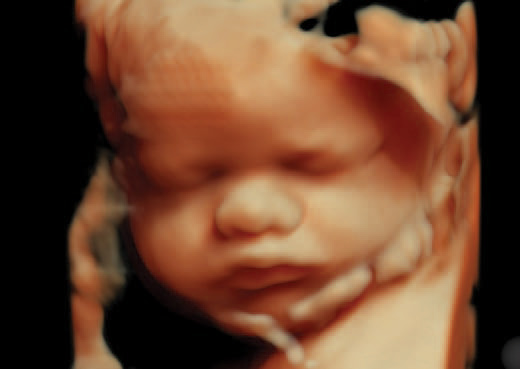
It’s a fun idea, maybe something to do with hormones, but don’t bet the farm on it. The main use of ultrasound in this case is to find the affected area so that a doctor can perform a biopsy for further tests. The best part about ultrasounds is that they do not use radiation to protect the patients and doctors from x-rays while they use this equipment. You’re more likely to see hair towards the end of your pregnancy than at the start or middle. Your insurance might not cover them, and your doctor may steer you away from getting them for nonmedical reasons. A 3D ultrasound is performed like any other abdominal ultrasound; here is how it works.
So, grab a snack, put up your feet, and join us as we explore the ins and outs of the 3D ultrasound experience. She’s an active parent who enjoys indoor and outdoor adventures with her family. Her mission is to share practical and realistic parenting advice to help the parenting community becoming stronger. It’s best to focus on enjoying the experience of seeing the baby and getting a glimpse of what he or she will look like when born. While it is not always 100% accurate, ultrasound can provide valuable information for diagnosis and treatment. Malignant cysts are cancerous and can spread to other parts of the body.
However, ultrasounds are also used to inspect for breast cancer, tumors, cysts, or other abnormalities. However, some facilities may offer 3D ultrasounds as early as the first trimester, or as late as the third trimester. Ultrasound scans are safe, non-invasive, and painless, and are an important diagnostic tool for a wide range of medical conditions. Ultrasound scans are safe, non-invasive, and painless, making them an ideal diagnostic tool for a wide range of medical conditions. If babies tend to be born bald in your family, there’s a good chance your baby will too. It protects your baby from skin damage, encourages growth, and helps anchor a helpful biofilm called vernix.
It can be tempting to want to get a sneak peek at your developing baby at all stages of growth, but what week is best for a 3D ultrasound? You might be surprised to learn that a 3D ultrasound can be performed anytime during pregnancy, either in addition to or instead of a traditional 2D ultrasound. There are a variety of factors that ultimately determine if we are able to see hair in a 3D ultrasound. Many expecting parents are curious if they will be able to see the baby’s hair during their 3D ultrasound session. Please, before booking a 3D ultrasound ask your doctor or healthcare provider about ultrasound safety. In conclusion, while a 3D ultrasound won’t show you hair, it offers a remarkable experience to see a realistic shape and form of your baby, contributing to the incredible journey of pregnancy.
"3D technology has vastly improved the quality of ultrasound imaging," says Bart Putterman, MD, an OB-GYN at Texas Children's Pavilion for Women in Houston. Keep in mind that 3D and 4D ultrasounds are not typically used to diagnose problems with your baby. Also, getting an ultrasound at a commercial center is not a substitute for medical care. The people working there may not be qualified to diagnose or rule out problems. For an abdominal ultrasound, you'll lie down and a technician will put a certain gel on your belly. Then the technician will hold a probe against your belly and move it around to get an image.
Fetal hair growth is dependent on genetics and maternal hormones during pregnancy. If your baby is facing away from your belly during an ultrasound, the sound waves might reveal only two-thirds or half of her face, which can look a little odd. So while 3D ultrasounds can serve as a helpful diagnostic tool in some scenarios, you can potentially chalk up any strange faces you see to the way the technology works. Whether your baby’s a hairy wonder or a bald beauty, what really matters is a healthy, happy little one. Ultrasounds are an essential medical technology because they allow external examination and diagnosis. Some ultrasounds require placing a small bit of machinery inside your body, but the vast majority happen externally only.
Usually, this is considered the standard ultrasound for imaging, but with technological advancement, modifications have been made in the 3D and 4D ultrasounds, which aren’t present in the 2D. Going through the emotional journey from the first month of conception to when the baby is born brings many physical and mental changes. This is why aside from monitoring the fetus’s development, you try to satisfy your curiosity. Some may be born with a significant amount, and others may have very little. Ultrasounds can pick up several components of your baby’s anatomy and physiology.